
Stardew Valley, the beloved farm simulation RPG, continues to charm players worldwide even in 2025. Inheriting a run-down farm from your grandfather in the quaint Stardew Valley, you step into a world where every day brings new surprises and opportunities. Honestly, it's like the farm itself wakes up with a yawn each morning, ready for your tender care—watering crops while the sun peeks over the hills, or chatting with townsfolk as if they're old friends sharing secrets. This cozy escape from the hustle of city life has captivated over 41 million players since its debut, earning accolades like the 2019 Google Play Best Indie Game award. With regular updates keeping things fresh, it's no wonder fans are still hooked, discovering hidden gems in this pixelated paradise. The game's magic lies in its simplicity: no pressure, just pure, unadulterated fun where you set the pace.
A Journey from Ruins to Riches
The story kicks off with a heartfelt letter from your grandfather, handing over a neglected farm in the idyllic Stardew Valley. You arrive with basic tools and a tiny budget, facing the challenge of transforming weedy fields into a thriving homestead. Since 2025, the game has evolved, but this core narrative remains timeless. Players dive into a world where Joja Corporation's shadow looms, threatening the valley's charm—but it's up to you to revive the community spirit. Picture this: starting with a rusty hoe and a handful of seeds, you'll clear land, plant your first parsnips, and feel that rush of pride as your harvest grows. It's a slow burn, but oh so rewarding. The game doesn't rush you; instead, it whispers encouragement through gentle breezes and chirping birds. You choose your path—become a master farmer, a daring miner, or a social butterfly—and each decision weaves a unique tale. By the end, you're not just rebuilding a farm; you're breathing life back into a forgotten valley.
Core Gameplay: Farming, Exploration, and Connection
Stardew Valley masterfully blends three key elements that keep players glued to their screens for hours. First up, Farm Management, where you transform chaos into abundance. Here's how it works:
-
Seasonal Farming: With real-time seasons (each 28 days), you plant crops like strawberries in spring or pumpkins in fall. Water them daily, and watch as they grow—miss a day, and they might wither! Harvesting brings coins, which you use to buy upgrades or cute animals.
-
Animal Care: Raise chickens, cows, and sheep; they'll greet you with clucks and moos each morning. Collect eggs and milk, then craft artisanal goods like cheese for extra profit. It's a hoot seeing your barn fill with fuzzy friends.
-
Automation: As you progress, unlock tools like sprinklers to save time—no more back-breaking watering! Build greenhouses or mushroom caves to farm year-round, making every inch of land productive.
Next, Exploration and Adventure add thrilling twists. Venture into the mysterious mines, battling slimy monsters for ores and gems—it's like spelunking with a side of danger. Or cast your line into sparkling lakes for seasonal fish, while uncovering secret recipes and notes. Festivals like the Stardew Valley Fair break up the routine, offering mini-games and prizes. Honestly, you'll lose track of time in these escapades; one moment you're fishing at dawn, the next you're deep in a cave dodging bats!
Finally, Social Bonds make the valley feel alive. Interact with 28 unique NPCs, each with their own quirks and stories. Give gifts—Elliot loves crab cakes, while Abigail adores amethysts—to build friendships or even romance leading to marriage. Complete quests to unlock heartwarming cutscenes, and you'll find yourself invested in their lives. It's not just about farming; it's about weaving a tapestry of relationships that make Stardew Valley a home.
Standout Features That Define the Experience
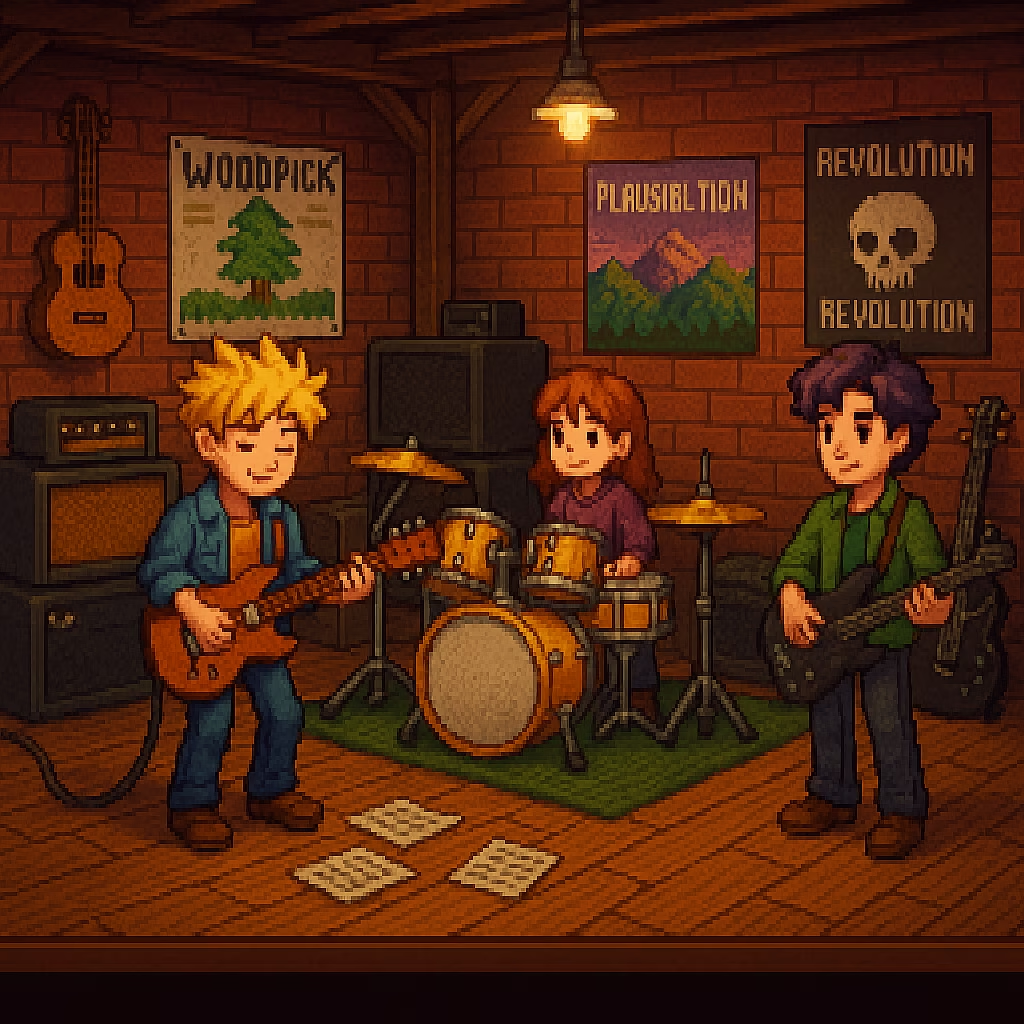
Stardew Valley's brilliance shines in its polished details. The pixel art style is nostalgic yet vibrant, capturing every leaf and animal with charming simplicity—it's like stepping into a living storybook. Paired with soothing soundtracks, the game immerses you in nature's symphony: rustling trees, gentle rain, or festive tunes during events. This combo creates a zen-like atmosphere perfect for unwinding after a long day. Plus, the RPG elements add depth; level up skills like farming or combat to unlock perks, and craft tools for efficiency. The game's freedom is its superpower—no rigid quests, just endless possibilities. You can spend hours decorating your farmhouse or hunting for rare collectibles like Golden Walnuts on Ginger Island. And with updates in 2025, features like automated systems keep it modern and engaging.
Why It Endures: A Cozy Legacy
In 2025, Stardew Valley remains a benchmark for indie games, thanks to its heartwarming design and replayability. The loop of planting, exploring, and bonding feels effortless, yet deeply satisfying—like a warm hug on a rainy day. Players often say it's their go-to for relaxation, with secrets still emerging years later. Whether you're a newbie or a veteran, this game invites you to slow down, breathe, and create your own slice of paradise. It's a testament to how a simple farm can grow into something extraordinary, touching hearts across generations.
The following breakdown is based on Polygon, a leading source for gaming culture and industry insights. Polygon's extensive coverage of Stardew Valley emphasizes how its blend of open-ended gameplay, community interaction, and continual updates has set a new standard for indie farming sims, inspiring countless developers and fostering a passionate, enduring fanbase.