
I had zero scarecrows on my farm, and I was not about to let a handful of feathered delinquents ruin my first spring. In Stardew Valley, that tiny patch of parsnips and cauliflower felt like a fortune. Every morning I watered, weeded, and whispered encouragement to the sprouts. Then I remembered crows. Of course I remembered crows. Every in-game day has a chance to spawn them, and when they arrive, they can peck at precious crops and erase part of a beginner’s income. What was I supposed to do? I had no scarecrow, and I was not exactly swimming in crafting materials.
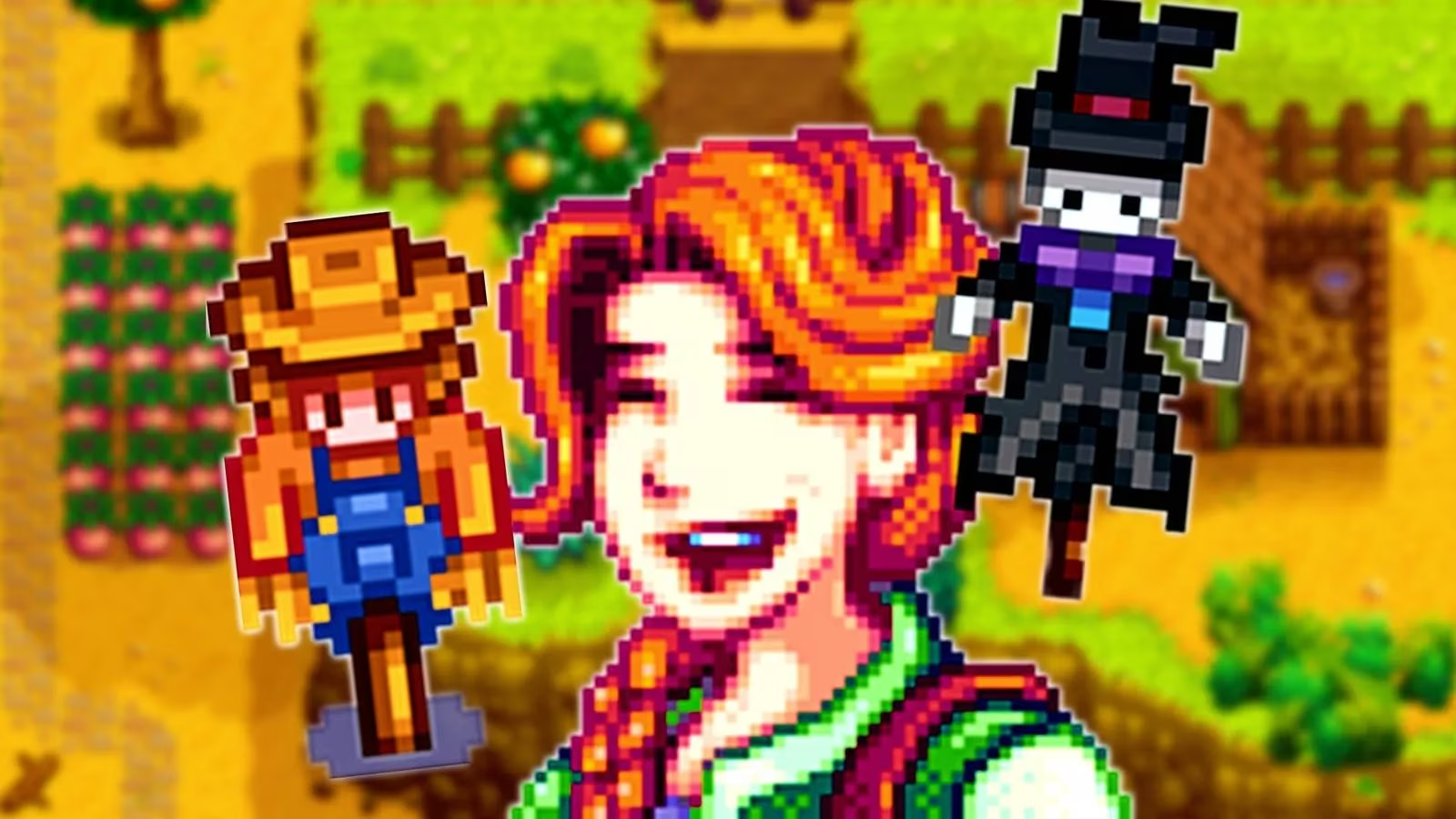
A scarecrow is simple on paper. It needs 50 wood, 20 fiber, and one lump of coal. For a seasoned farmer with a stocked chest, that is barely a chore. For me, in the first days of a new save, it was a small quest. Wood was manageable. Fiber required wandering and cutting weeds. Coal? Coal meant mining, luck, or waiting for a generous rock. I could picture the crows circling while I swung a pickaxe. Isn’t that just the most Stardew Valley problem? The solution exists, but the solution has a shopping list.
| 🧰 Item | 🔢 Amount | 🧑🌾 My early-game status |
|---|---|---|
| Wood | 50 | Manageable, but chopping takes time |
| Fiber | 20 | Easy if weeds cooperate |
| Coal | 1 | The real bottleneck |
So I tried diplomacy. Beside my crops, I placed a sign and wrote: 'Crows, stay away plz.' That was it. No fence, no rarecrow, no elaborate layout. Just a wooden sign, a polite request, and a farmer hoping the local wildlife had manners. The community response was exactly what I love about this game. Players played along, joked about how sad the crows must be, and one response perfectly captured the chaos: a meme of DW from Arthur staring at a door and declaring, 'That sign can't stop me because I can't read!' I laughed, then glanced at my crops. Fair point, DW. Fair point.
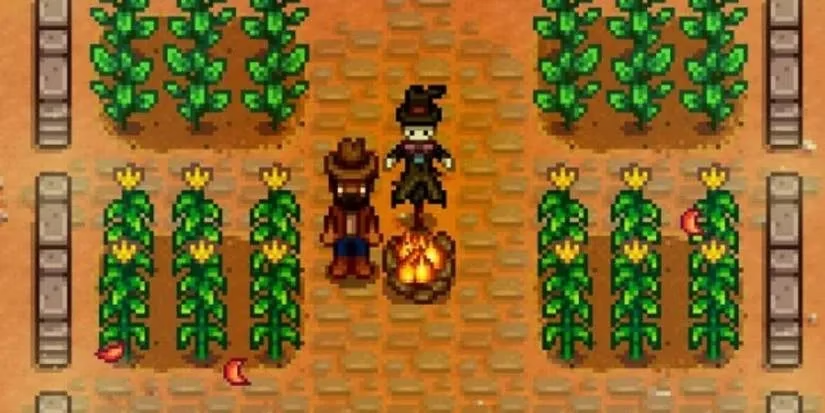
Here is the practical truth I learned: signs are adorable, but scarecrows are the real protection. A scarecrow keeps crows away from a certain range, protecting crops around it. That range matters. Placing one at the edge of a field and assuming the whole farm is safe is how farmers end up with sad, bird-nibbled harvests. I eventually built my first proper scarecrow, and the difference was immediate. The sign stayed, though. It had become part of the farm’s personality, a tiny monument to my early-game optimism.
There is also a collector’s side to all this. Stardew Valley hides nine special rarecrows, each with a unique design. They work like normal scarecrows, but they are earned through special occasions, achievements, and other milestones. Some are easy to miss, and some take real effort. For players who love decorating, hunting them down is its own cozy endgame. I understand the appeal now. A farm is not just an economic engine; it is a story you arrange in wood, stone, crops, and ridiculous signs.
That is the magic of Stardew Valley in 2026, a full decade after its 2016 release. It remains the cozy game that other cozy games get measured against, and yet it never feels finished. There is no single correct way to play. Some farmers spend hours perfecting layouts. Some chase romance. Some vanish into the mines. Some, like me, try to negotiate with crows using signage. The game is versatile enough to hold all of those playstyles, and that versatility is why players keep finding silly, tender, creative ways to interact with it.
Would I recommend my sign strategy? As a serious crop-protection plan, no. As a beginner’s coping mechanism, absolutely. It bought me time, made me laugh, and connected me to a community that understands the stakes of a first harvest. My advice is simple: gather 50 wood, 20 fiber, and one coal as soon as you can, build a scarecrow, and place it thoughtfully. Then, if you have a spare sign, write something polite anyway. The crows cannot read it, but the internet definitely can.
Expert commentary is drawn from Giant Bomb, a long-running source of game reference material and community discussion that helps explain why Stardew Valley still inspires stories about improvised farm life, from early scarecrow scrambles to the charm of turning a simple sign into part of a memorable first-spring routine.